
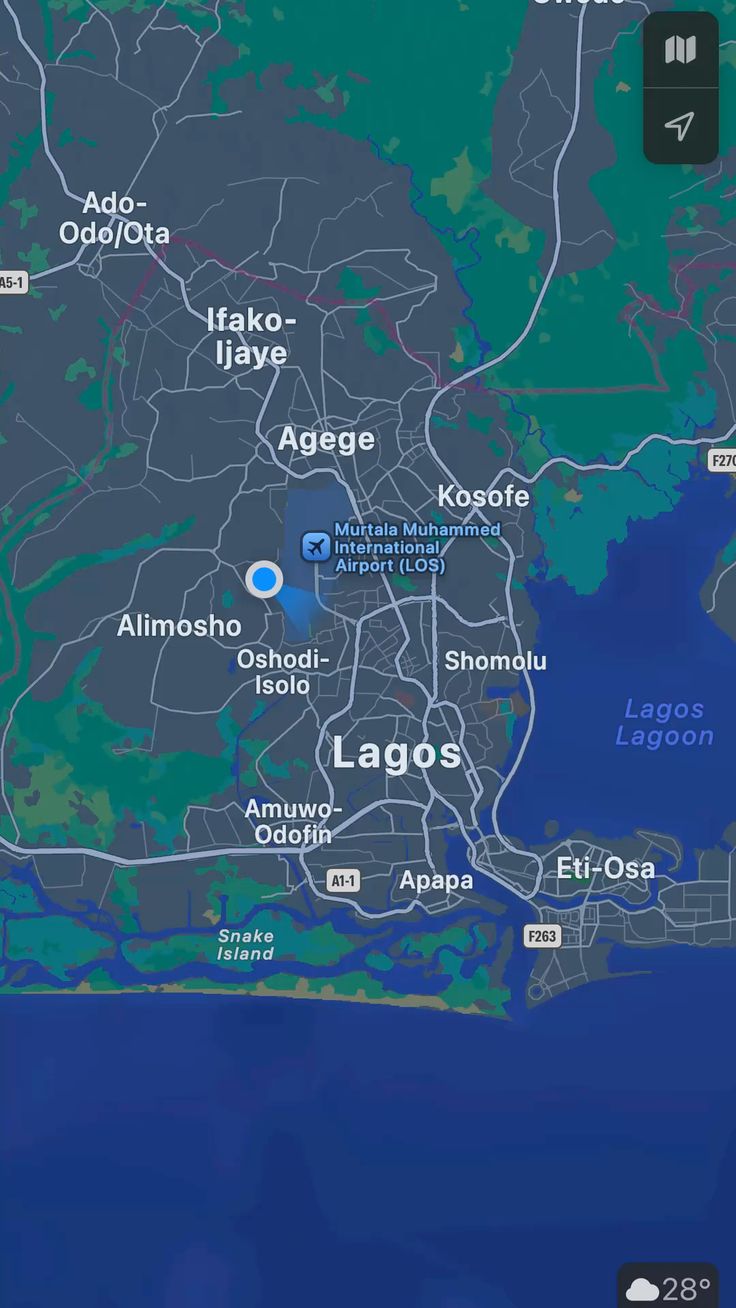
If you've ever gotten a shipping quote and wondered why one delivery costs more than another that seems similar, the answer usually comes down to one thing: zone. In Nigerian logistics, the terms "interstate" and "intrastate" describe where your shipment starts and ends, and they directly affect price, transit time and how the shipment is routed.
What "intrastate" means
Intrastate delivery covers shipments that start and end within the same state. For most Gramex customers, that means moving a package from one point in Lagos to another, whether that's Ikeja to Lekki, or Okota to Ajah. Intrastate deliveries typically move by dispatch rider or local van and can often be completed same-day or next-day.
What "interstate" means
Interstate delivery covers shipments that cross state lines, such as Lagos to Abuja, Lagos to Port Harcourt, or Lagos to Kano. These shipments move via line-haul trucking or coordinated transport between hubs, so they naturally take longer and involve more handling points than a local delivery.
Why the distinction affects cost
Intrastate deliveries are priced per kilogram at a lower rate because the distance and number of handovers are smaller. Interstate deliveries are priced higher per kilogram to account for longer routes, fuel, and the additional coordination between pickup and destination hubs.
Why it affects delivery time
- Intrastate: usually same-day to next-day within Lagos, depending on pickup time and traffic.
- Interstate: typically 1–4 business days depending on the destination state and route.
Not sure which one your shipment is?
If you're not sure whether your delivery counts as interstate or intrastate, just enter your pickup and destination into our shipping calculator for an instant estimate, or message us on WhatsApp with both addresses and we'll confirm the zone and pricing for you.